
Categories
Homeownership Tips, Homeowner TipsPublished November 11, 2026
Protecting Your Investment: Essential Termite Prevention Tips for Central Florida Homeowners

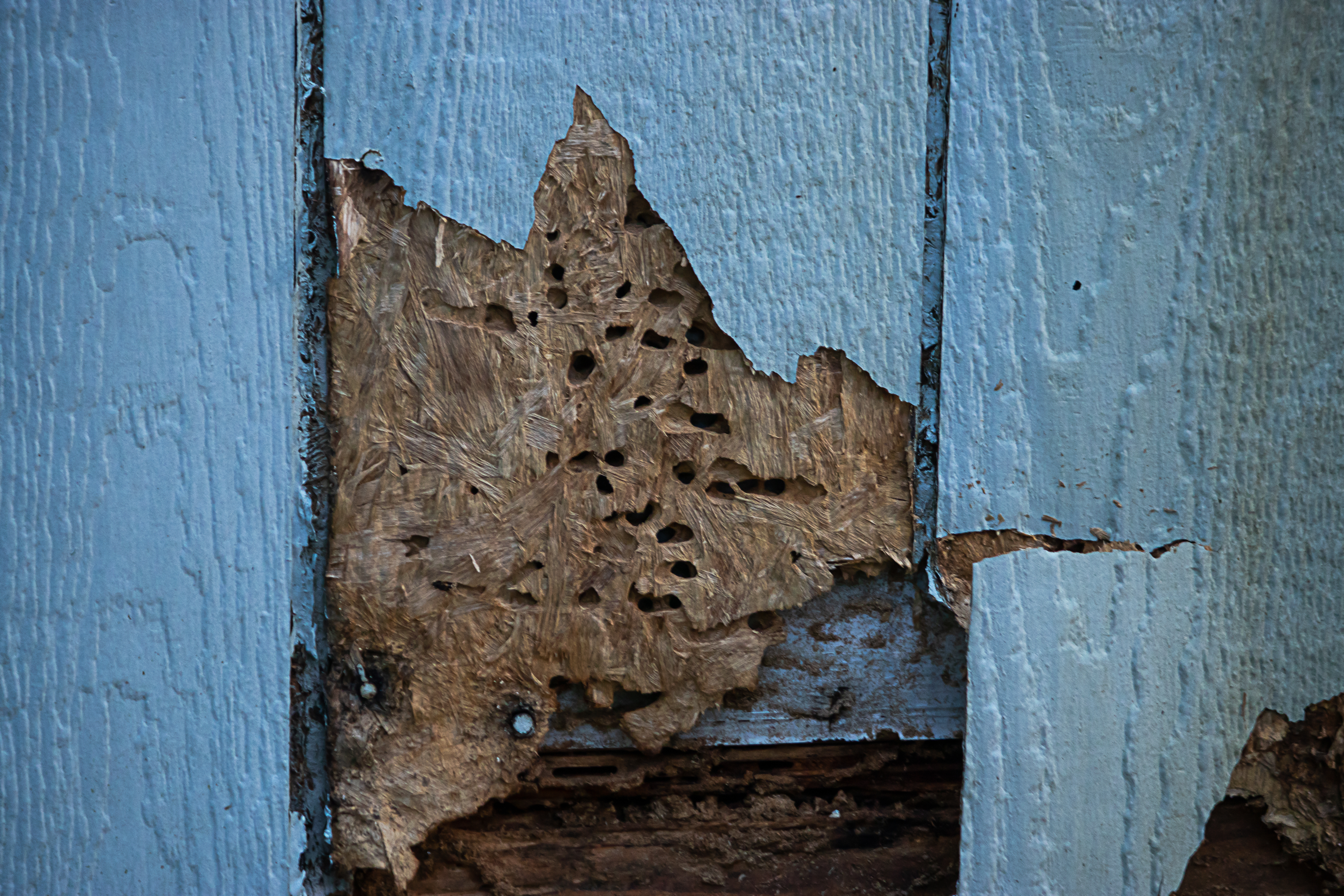
Living in North Orlando and West Volusia offers incredible lifestyle perks—from historic, tree-lined neighborhoods in DeLand and vibrant waterfront living in Sanford to established communities in Lake Mary, DeBary, and Deltona. However, Central Florida's warm, humid climate also creates the ideal environment for one of a homeowner’s most expensive structural threats: termites.
In our region, homeowners primarily encounter two destructive types: Subterranean termites (including aggressive Formosan varieties), which nest in the soil and require constant moisture, and Drywood termites, which fly directly into attic framing, fascia boards, and exterior woodwork.
Whether you are protecting your current investment or preparing your property for the market, proactive prevention is essential for preserving your home's equity.
1. Eliminate Standing Moisture Near Your Foundation
Subterranean termites thrive on moisture. Excess dampness near your slab creates an open invitation.
- Direct downspouts away: Ensure gutters and downspouts discharge rainwater at least 3 to 5 feet away from your foundation wall.
- Inspect A/C condensation lines: Route condensation drainage away from exterior walls rather than letting it pool at the base of the slab.
- Repair plumbing leaks: Fix dripping hose bibs, exterior spigots, and misdirected irrigation heads immediately to prevent damp soil pockets.
- Proper HVAC maintenance is another important part of managing moisture inside your home and protecting it from Florida's humidity.
2. Break Direct Wood-to-Ground Contact
Untreated wood touching Florida soil gives subterranean termites a direct, hidden highway into your home's framing.
- Maintain mulch clearance: Keep organic mulch at least 12 to 18 inches away from your foundation slab, or consider using gravel or river rock against the house.
- Store firewood properly: Keep firewood piles, lumber, and cardboard boxes elevated off the ground and stored at least 20 feet away from the structure.
- Inspect outdoor structures: Ensure fence posts, wooden steps, and decorative trellises rest on concrete footers rather than direct soil.
3. Seal Exterior Entry Points and Vents
Drywood termites swarm during the warmer months, entering homes through tiny cracks and unsealed openings.
- Caulk around exterior window trim, door frames, soffits, and fascia boards where gaps can form.
- Install fine-mesh screening (20-mesh or finer) over all attic, crawlspace, and soffit vents to block swarming insects.
- Keep exterior paint fresh; a sealed paint barrier helps prevent drywood termites from penetrating exposed wood.
4. Maintain an Active Termite Bond
In Florida real estate transactions, a clean Wood-Destroying Organism (WDO) inspection report is a critical milestone during the closing process. Preparing for a home inspection involves more than checking the roof, plumbing, and electrical systems. Addressing potential wood-destroying organism issues is also an important part of getting a property ready for sale.
- Partner with a licensed local pest control professional for annual perimeter inspections.
- Maintain a transferable termite treatment warranty (bond) with baiting stations or soil barrier treatments.
Frequently Asked Questions About Termite Prevention in Central Florida
Are termites common in Central Florida?
Yes. Central Florida's warm temperatures and humid conditions create an environment where termites can remain active throughout much of the year. Subterranean and drywood termites are two common types that threaten residential properties in the region.
What attracts termites to a Florida home?
Moisture, wood-to-ground contact, untreated exterior wood, and accessible entry points can increase the risk of termite infestations. Leaking pipes, poorly drained soil, and mulch against the foundation can create especially favorable conditions.
Does homeowners insurance cover termite damage in Florida?
Most standard homeowners insurance policies exclude termite damage because it is generally considered preventable maintenance rather than a sudden accidental loss. Homeowners should review their individual policy for specific exclusions and coverage.
How often should a Florida home be inspected for termites?
An annual inspection by a licensed pest control professional is a reasonable preventative measure. Homes with previous termite activity or known risk factors may benefit from more frequent inspections.
What is a termite bond, and is it transferable?
A termite bond is an agreement with a pest control company that may include ongoing inspections, preventative treatments, and specified coverage for certain termite-related issues. Some bonds are transferable when a property is sold, but transfer requirements and coverage vary by provider and contract.
Can termites affect the resale value of a home?
Yes. Evidence of termite activity, structural damage, or unresolved wood-destroying organism issues can complicate a real estate transaction. Proper treatment, repairs, and documentation can help address buyer concerns during the selling process.
Preserving Long-Term Value
Because standard homeowners insurance policies rarely cover termite damage, preventative care is your best financial defense. A well-maintained home with a documented pest prevention history protects your structural integrity and ensures smooth sailing when it is time to sell.
If you are planning to buy, sell, or assess the value of your residential property in DeLand, DeBary, Deltona, Orange City, Sanford, or Lake Mary, reach out today for local real estate guidance and community insights.

Charles "Chuck" Shaver
| Chuck Shaver | The Shaver Group | Keller Williams Heritage Realty
or another way