Categories
Buying, Home Buying, Home Ownership, Home Selling, Seller Tips, SellingPublished September 3, 2026
Navigating Home Inspections in North Orlando: The 4 Most Common Red Flags

Buying or selling residential property in North Orlando—whether it is a historic home in DeLand, a modern estate in Lake Mary, or a family property in Deltona—is a major milestone. However, once a property is under contract, the home inspection phase can feel like a stressful hurdle.
In Central Florida's unique climate, full home inspections and specialized insurance updates consistently turn up the same structural and mechanical issues. To protect your transaction and ensure a smooth closing, it helps to know exactly what inspectors are looking for.
As illustrated in the diagram below, inspectors and insurance carriers focus closely on a property's core structural and mechanical systems to evaluate overall risk and safety.
Here are the four most common repairs flagged during home inspections across Volusia and Seminole Counties:
1. Roofing Deterioration and Age
Roofs bear the brunt of intense Florida sun, high humidity, and seasonal storm winds. Inspectors evaluate the general condition of the covering, roof shape, deck attachment, and signs of water intrusion. Due to strict local homeowners insurance guidelines, asphalt shingle roofs nearing or past 15 years of age are frequently flagged—even if there are no active interior leaks. Missing shingles, granular loss, exposed fasteners, or improper patchwork will usually require a professional remedy before a buyer can secure coverage.
2. Outdated Electrical Panels
Electrical safety is a paramount concern during an evaluation. In mature subdivisions throughout Sanford, DeBary, and Deland, older homes often feature recalled electrical panels that pose significant fire hazards. Brands like Federal Pacific Electric (FPE), Zinsco, and certain Challenger panels are automatic red flags for inspectors and insurers alike. Other common electrical findings include double-tapped breakers (where two wires connect to a single breaker) and exposed or ungrounded branch wiring.
3. High-Risk Plumbing Materials
Water damage claims are among the most expensive issues in residential real estate, meaning plumbing systems undergo intense scrutiny. Polybutylene piping—a flexible grey plastic plumbing line used extensively from the late 1970s through the mid-1990s—is notorious for sudden degradation and bursting. Finding polybutylene or severely corroded galvanized steel pipes will almost always halt a transaction until a full home re-pipe is scheduled. Inspectors also regularly flag water heaters showing heavy rust or those exceeding a 12-to-15-year lifespan.
4. HVAC Maintenance and Performance
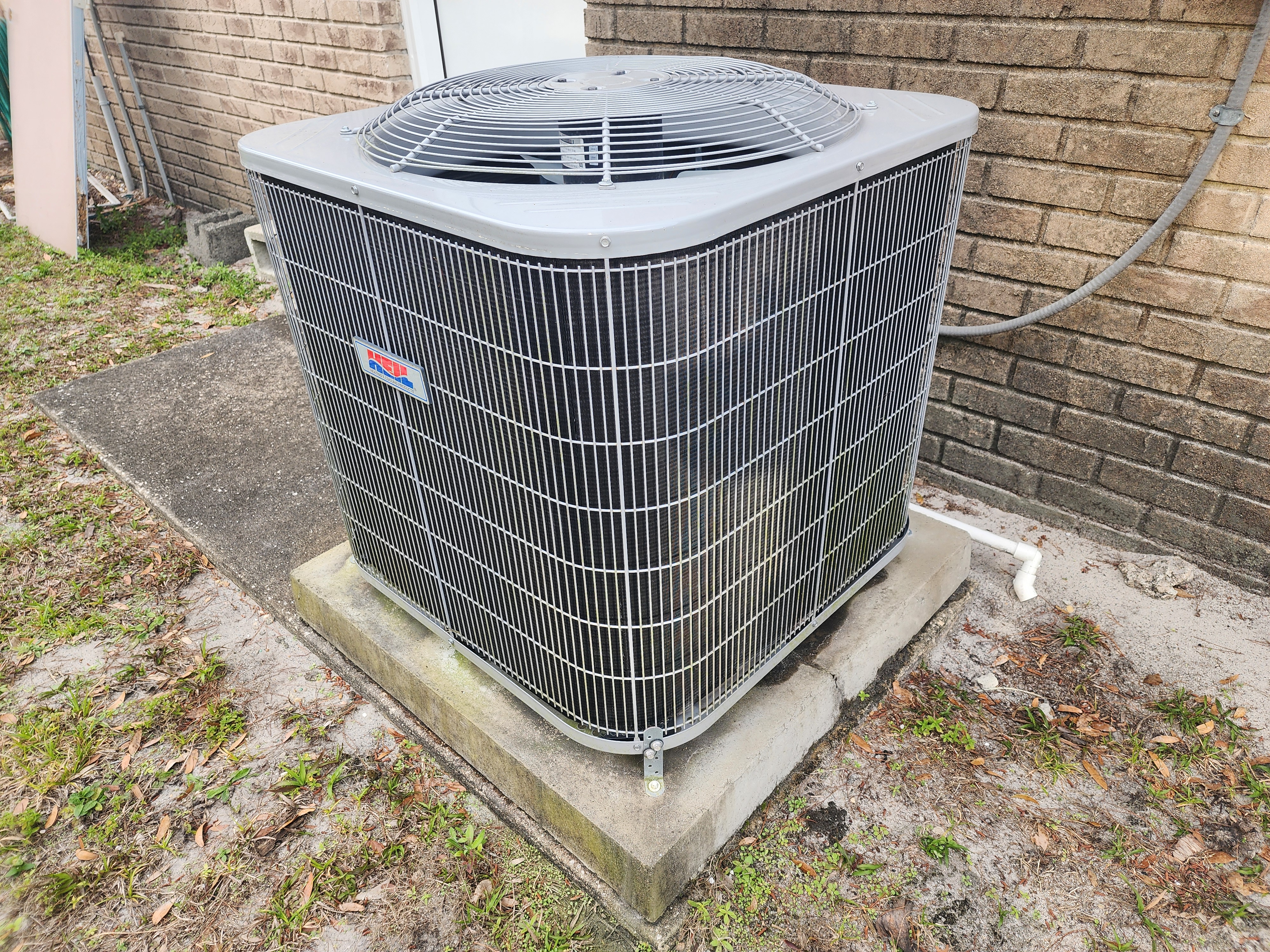
Central heat and air conditioning are non-negotiable in our region. Inspectors verify that the system functions efficiently, checking the temperature differential between the intake and supply vents. Frequently flagged items include rusted drain pans, failing components due to deferred maintenance, or aging units past 15 to 20 years old that struggle to maintain appropriate climate control.
The Takeaway: For sellers, addressing these four areas before hitting the market prevents unexpected delays and maintains your property's value. Sellers should speak with a local real estate agent who can discuss their specific plan for how to address these potential hurdles. For buyers, knowing these common pain points ensures you can negotiate repairs or credits confidently, protecting your investment from day one.

Charles "Chuck" Shaver
| Chuck Shaver | The Shaver Group | Keller Williams Heritage Realty
or another way