
Categories
Home Ownership, InsurancePublished September 9, 2026
What is a Wind Mitigation Report and When Should I Get One?

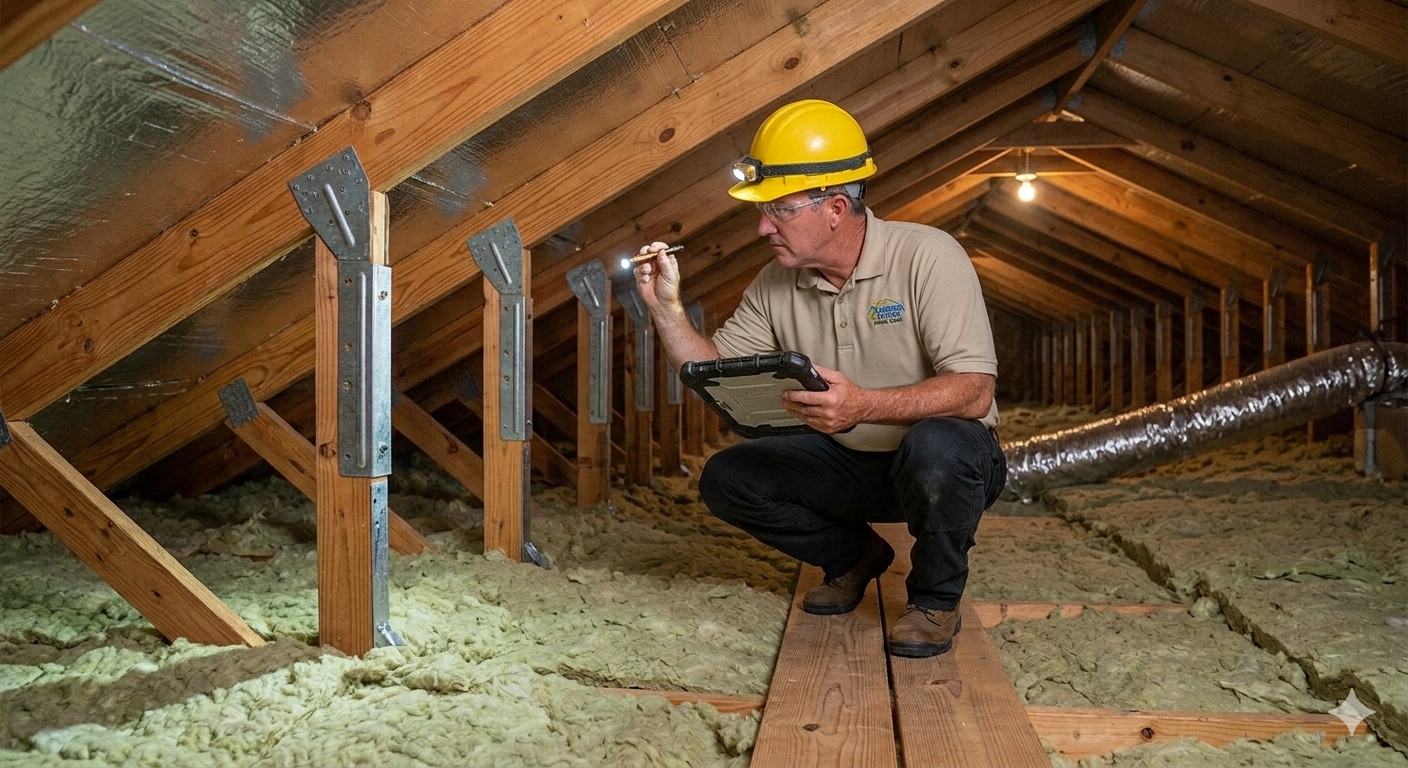
A wind mitigation inspection is one of the most effective ways to slash homeowners' insurance premiums, especially in hurricane-prone states like Florida. It proves to your insurance carrier that your home can withstand high-wind events, legally requiring them to give you credits that can shave 20% to 50% off the wind portion of your policy.
The inspection typically costs around $100 to $150 and is valid for 5 years. If your roof was built after 2002 or has upgraded features, it almost always pays for itself in the first year.
What Inspectors Look For (The Discount Drivers)
An inspector will look at seven specific areas, but these key features drive the biggest premium drops:
1. Roof-to-Wall Connections
This is all about how securely your roof truss is anchored to the walls of the home. Insurance companies look for specific hardware setups:
-
Toenails (Lowest Credit): Just nails driven at an angle. Offers very little wind resistance.
-
Clips: Metal plates attached to the truss and nailed to the wall frame.
-
Straps (Highest Credit): Metal bands that wrap completely over the top of the truss and anchor into the wall.
As shown above, straps offer the strongest connection against the "uplift" forces of hurricane-force winds, yielding the most substantial insurance credits.
2. Roof Cover & Building Code Date
-
Post-2002 Roofs: If your roof was installed after the strict 2001 Florida Building Code went into effect (enforced starting March 1, 2002), you automatically qualify for a significant building code credit.
-
Permit Evidence: Even if a roof is only a few years old, the inspector needs to see the official roof permit documentation to grant this credit.
3. Secondary Water Resistance (SWR)
This is a sealed roof deck. If a storm rips your shingles or tiles completely off, SWR prevents water from pouring into the home. It is typically achieved by installing a self-adhering polymer modified bitumen tape (like peel-and-stick underlayment) directly over the plywood seams before the shingles go down.
4. Roof Deck Attachment
The inspector will look in the attic to see how the plywood roof deck is attached to the trusses. They measure the size of the nails and how far apart they are spaced.
-
The Sweet Spot: 8d nails (2.5 inches long) spaced every 6 inches along the plywood edges give maximum credits. Shorter staples or wider spacing (like 12 inches) lower the credit.
5. Opening Protection
To get this credit, every single opening on the home must be impact-rated or protected by approved shutters. This includes all windows, entry doors, sliding glass doors, and the garage door. If even one standard window is left unprotected, the entire opening protection discount is lost.
Action Plan to Maximize Your Savings
If you want to ensure you get every dollar available, follow these steps during your next inspection or roof replacement:
1.Gather your documentation: Before the inspection.
Locate your roofing permits, wind-rated garage door paperwork, or receipts for impact windows. Having these ready helps the inspector verify dates and ratings quickly.
2.Check for minor fixes: Before the inspector arrives.
If you have storm shutters, ensure you have panels for every window, including small bathroom or transom windows. Missing one panel forfeits the entire opening protection discount.
3.Schedule the inspection: Takes about 30–45 minutes.
The inspector will need access to the attic to photograph nail spacing and roof-to-wall connections, and they will take photos of every side of the exterior.
4.Submit the OIR-B1-1802 form to your agent: Immediately upon receipt.
Send the finalized, signed inspection report to your insurance agent. They will submit it to the underwriter to apply the credits, which often results in a pro-rated refund check if your policy is already active.
Pro Tip for Roof Replacements: If you are actively getting a new roof, always ask the contractor to add a Secondary Water Barrier (peel-and-stick underlayment) and to re-nail the deck to meet 6-inch spacing. These upgrades cost very little extra during a full replacement but lock in the highest possible wind mitigation credits for the next 5 years. Let us know if you have any questions.

Charles "Chuck" Shaver
| Chuck Shaver | The Shaver Group | Keller Williams Heritage Realty
or another way