Categories
Selling, Buying, Home Ownership, Things to Do, TipsPublished April 13, 2026
Understanding the 4-Point Inspection: A Vital Step for Florida Homeowners

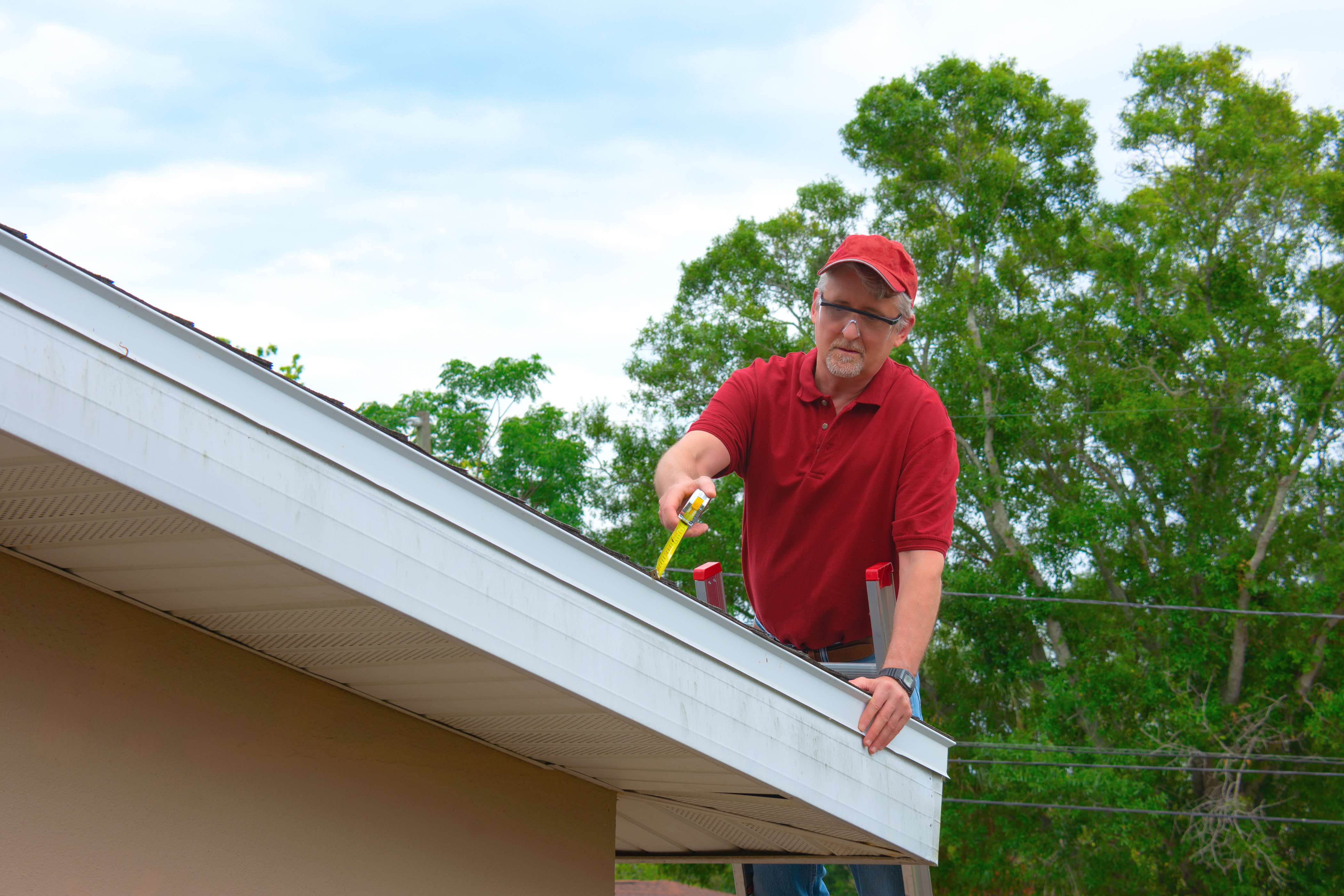
If you are navigating the Florida real estate market, you will quickly find that the "4-Point Inspection" is one of the most critical documents in a real estate transaction. While a comprehensive home inspection is designed for a buyer’s personal peace of mind, the 4-Point Inspection is a specialized report required almost exclusively by insurance providers.
In a state like Florida, where weather patterns and aging infrastructure are constant considerations for insurers, this document often determines whether a property is even insurable, and in many cases financeable.
What Exactly is a 4-Point Inspection?
A 4-Point Inspection is a targeted evaluation of the four primary systems in a home that are most likely to result in an insurance claim if they fail. Unlike a full inspection that looks at every cosmetic detail, this report focuses strictly on:
-
HVAC (Heating, Ventilation, and Air Conditioning): The inspector examines the age, condition, and functionality of the heating and cooling systems. In Florida’s humid climate, insurance companies want to see units that are well-maintained, functional and not reaching the end of their expected lifespan.
- Electrical Wiring and Panels: Insurance companies see this as a top priority for safety. Inspectors check the type of wiring (avoiding hazardous materials like aluminum or knob-and-tube) and ensure the electrical panels are from reputable manufacturers and are not overloaded or outdated.
- Plumbing: This section covers the type of piping used throughout the home and the condition of the water heater. Certain types of older piping materials are high-risk for leaks and may require replacement before a policy is issued.
-
Roof: Given Florida’s exposure to tropical storms, the roof is often the most scrutinized element. The inspector assesses the age, material, and remaining "useful life." Most carriers require a minimum of 3 to 5 years of remaining life to provide coverage.
Why It Matters for Buyers and Sellers
For buyers, an unsatisfactory 4-Point Inspection can be a deal-breaker. If a home has an older roof or a recalled electrical panel, you may be denied insurance coverage, which in turn prevents you from securing a mortgage. Knowing these issues early allows you to negotiate repairs or credits.
For sellers, being proactive is key. Having a "pre-listing" 4-Point Inspection can help you identify and address major system issues before a buyer’s inspector finds them. This ensures a much smoother path to the closing table and prevents sales from falling through due to buyers’ insurance ineligibility.
Your Local Florida Real Estate Expert
Navigating the nuances of Florida’s insurance and inspection requirements is a core part of the service I provide. Whether you are looking for your first home or selling a long-time residence, I work with a network of professional inspectors to ensure your transaction is protected and your investment is sound.

Charles "Chuck" Shaver
| Chuck Shaver | The Shaver Group | Keller Williams Heritage Realty
or another way