
Categories
History, Sears kit homes, UmatillaPublished September 23, 2026
Sears Kit Homes: The Fascinating History of Florida's Mail-Order Houses

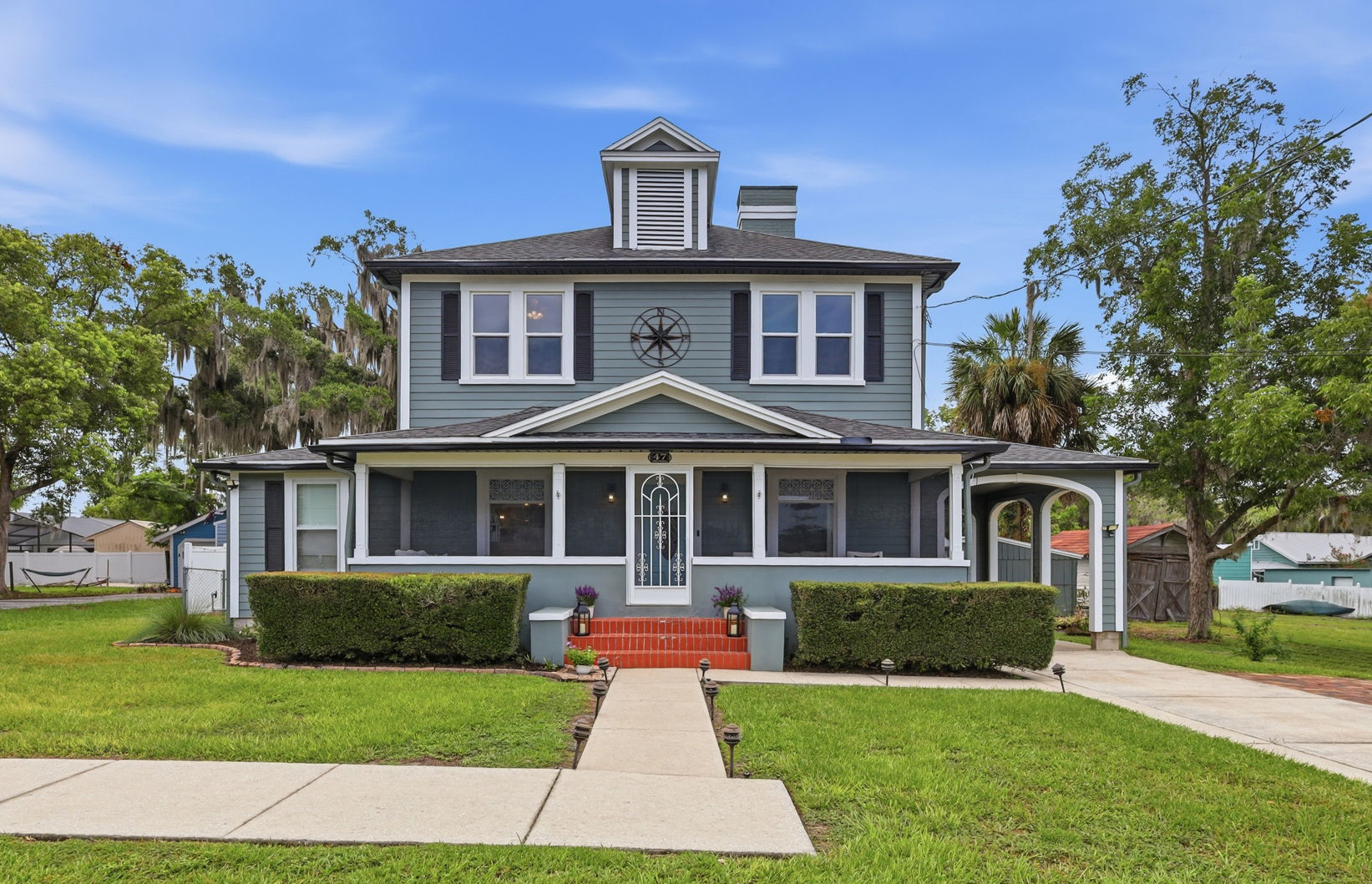
Imagine ordering your next home from a catalog. Not just the furniture or the appliances, but the entire house. More than a century ago, that was a real option. Sears, Roebuck and Company, famous for its massive mail-order catalogs, sold complete house kits that arrived by railroad. Today they're known as Sears kit homes or Sears Modern Homes, and many are still standing.
What Was a Sears Kit Home?
Sears began selling houses through its Modern Homes program in 1908. Buyers browsed a catalog, picked a design, and ordered the materials. Those arrived by railroad boxcar, typically about 25 tons of materials and more than 30,000 parts, along with detailed plans and instructions. Starting in 1916, the framing lumber came precut and marked for assembly, which cut construction time significantly.
Sears wasn't delivering a finished house, though. Buyers still had to provide the foundation and hire local labor, or do the work themselves. Plumbing, heating and electrical systems were available as optional add-ons.
Why Were Sears Kit Homes So Popular?
Sears already had a huge mail-order business that reached rural communities where building materials were hard to find. Buying in bulk and standardizing components kept costs down. Beginning around 1912, Sears also offered financing, which made homeownership more reachable. The homes were marketed as modern, practical and affordable.
There was no single "Sears look." The company offered more than 370 designs over the years, from small cottages and bungalows to large multi-story homes, in styles like Craftsman and Colonial Revival. Buyers could also customize their plans.
Where Are Sears Homes in Florida?
The railroad was central to the story, and Florida's early 20th-century growth made it a natural market. New towns were forming and rail lines were expanding, so a house that could be shipped by boxcar was a practical solution for anyone building in a growing community. Sears homes have turned up as far south as Florida, though they remain fairly rare here.
One example is the La Bertha Lawn neighborhood in Melbourne, developed in 1924 and known for its Sears kit homes.
How Do You Know If It's a Sears Home?
It isn't always easy. Sears never kept a complete record of where its homes went, and most houses have no label or plaque. Researchers compare floor plans, windows, rooflines, porches and staircases against original catalogs. Deeds, permits, old photos and family records can help confirm the answer. Because buyers could modify their plans, two homes from the same design may not look identical.
Is There a Sears Home in Umatilla?
Closer to home, 47 Davis Avenue in Umatilla offers an intriguing example. Built in 1920, the home is believed to be a Sears catalog home based on information passed down from
previous owners, its floor plan and its architectural details. It is not officially registered or documented as a Sears home.
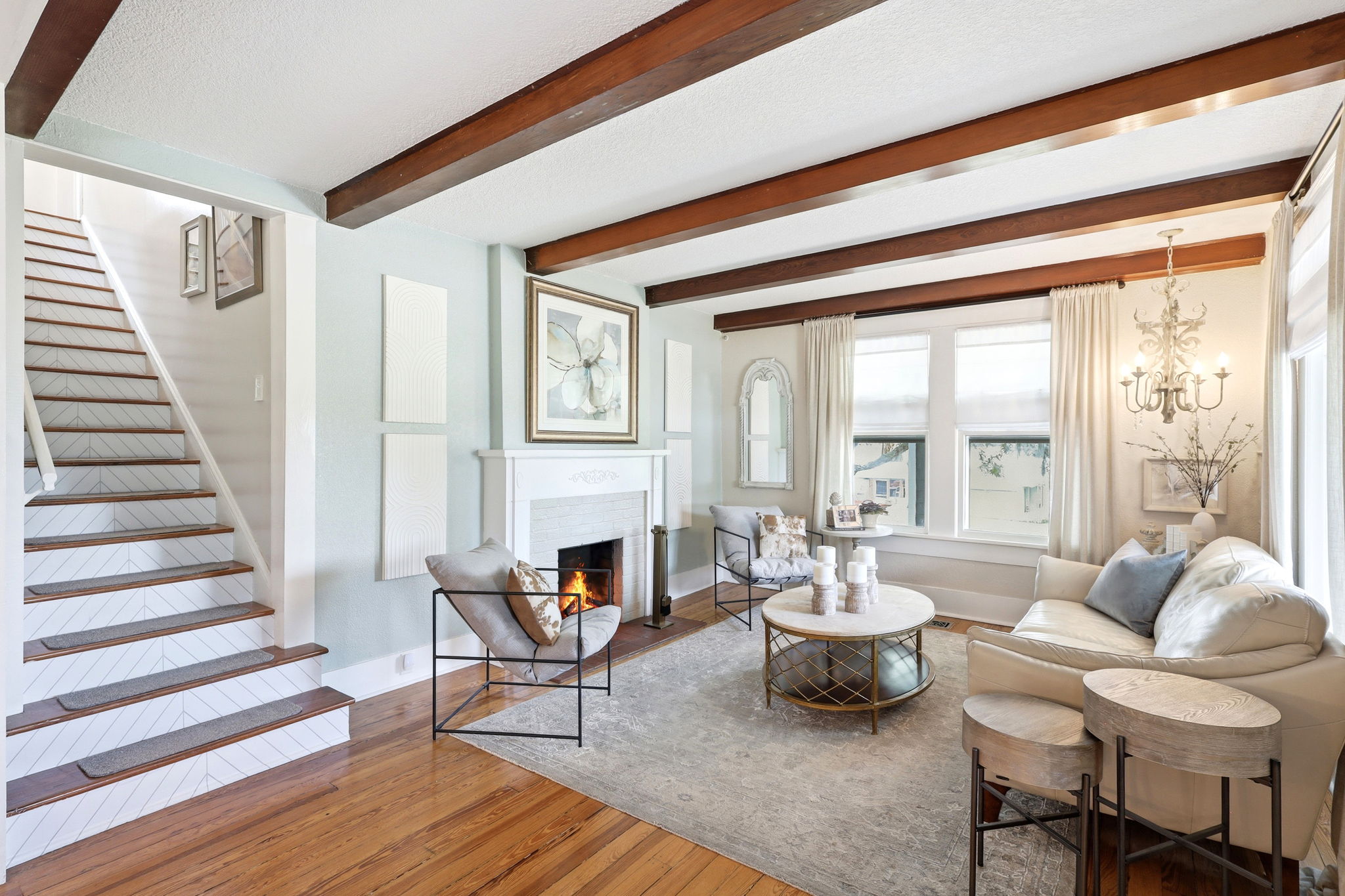
The roughly 2,380-square-foot home has three bedrooms and two bathrooms. It keeps many historic features, including some original 1920s wavy leaded-glass windows, original wood floors and 4 working fireplaces. A large screened and tiled front porch overlooks the lake. The home has also been updated for modern living.
Why Do Sears Homes Still Matter Today?
The Sears program was part of a broader movement toward prefabricated housing, but Sears had an advantage no competitor could match: a catalog that was already in millions of American homes. The program ended in the early 1940s, but the houses stayed. They became part of neighborhoods across the country, and many are still lived in today.
The idea also feels surprisingly modern. Today's buyers browse floor plans online, choose finishes, and can even purchase modular homes built largely in a factory. Sears was experimenting with that model more than a hundred years ago.
Whether or not every piece of paperwork can be found, 47 Davis Avenue is an intriguing piece of Umatilla's history. For today's buyer, that history comes with the house, a reminder that some of Central Florida's most interesting properties aren't the newest ones. Sometimes they're the homes that have been here all along.

Charles "Chuck" Shaver
| Chuck Shaver | The Shaver Group | Keller Williams Heritage Realty
or another way