
Categories
Buying, Central Florida, Waterfront PropertyPublished July 16, 2026
Navigating the Market: A Guide to Buying Waterfront Property on the St. Johns River

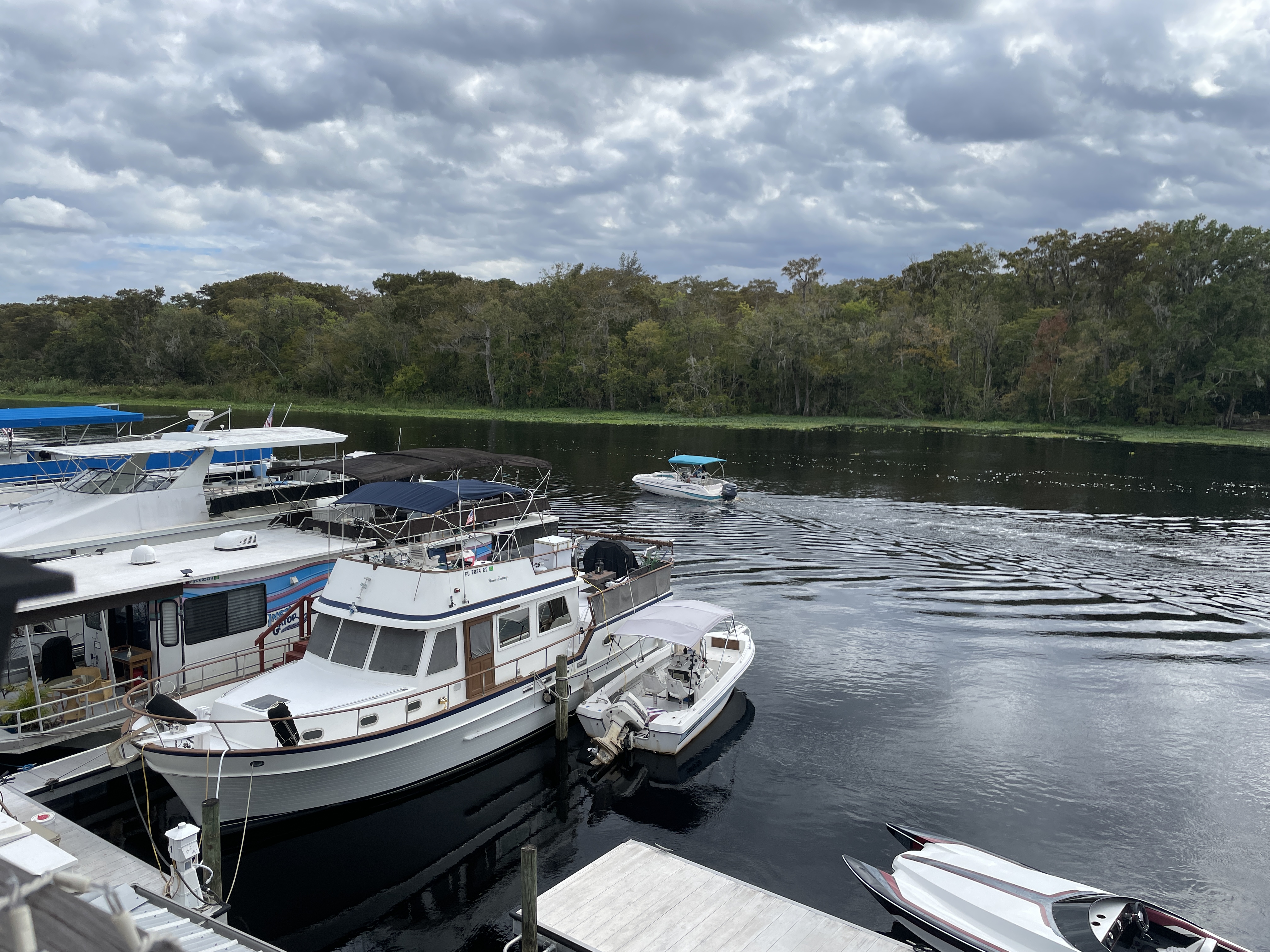
The St. Johns River is one of Central Florida’s most magnificent natural features, offering an idyllic lifestyle for boating enthusiasts, nature lovers, and anyone seeking peaceful waterfront living. If you are looking to purchase a home or vacant land along the river in communities like DeLand, DeBary, Sanford, or Deltona, you are entering a highly desirable segment of the real estate market.
Owning a piece of shoreline along this historic, north-flowing river is incredibly rewarding, but the buying process differs significantly from purchasing a standard inland home. Here is what you need to know before buying waterfront property on the St. Johns River.
1. Understand Flood Zones and Elevation When buying riverfront real estate, understanding Federal Emergency Management Agency (FEMA) flood zones is critical. Properties along the St. Johns River and its connecting lakes (like Lake Monroe) are often located in Special Flood Hazard Areas (SFHA).
-
Elevation Certificates: We always recommend getting a current elevation certificate either from the seller or from the surveyor. This document is important for determining your flood insurance premiums and understanding building requirements.
-
Insurance Costs: Factor the cost of flood insurance into your overall budget, as it will almost always be required if you are financing the residential purchase.
2. Inspect Riparian Rights and Shoreline Regulations Owning waterfront property means navigating specific environmental regulations. The St. Johns River Water Management District (SJRWMD) regulates shoreline modifications to protect the local ecosystem and maintain water quality.
-
Riparian Rights: Ensure the property title clearly outlines your riparian rights—your legal rights to access and use the water from your land.
-
Permitting: If you plan to build a new dock, expand a boathouse, or install a seawall, you must obtain proper permitting. It is also vital to verify that any existing waterfront structures don’t have any outstanding violations.
3. Evaluate Water Depth and Navigability The St. Johns River experiences seasonal fluctuations in water levels. A dock that has deep water in the late summer might be noticeably shallower during the dry spring months.
-
Boat Draft: If you own a large vessel, verify the water depth at the dock during the dry season to ensure year-round navigability.
-
Bridge Clearances: For residents in areas like Sanford or DeBary, be mindful of bridge clearances if you plan to navigate larger boats along the riverway.
4. Scrutinize the Waterfront Structures A standard home inspection will cover the primary residence, but you will also need specialized inspections for your water-facing structures.
-
Docks and Seawalls: Hire an experienced marine contractor to inspect the structural integrity of docks, bulkheads, boat lifts, and seawalls. Repairs to these structures can be costly, making it essential to know their true condition before closing.
Finding Your Riverside Retreat The communities of North Orlando and West Volusia County offer incredibly diverse riverfront options. You might find expansive vacant land ready for custom builds in DeLand, established riverside neighborhoods in DeBary, or luxury waterfront estates in Sanford.
Navigating the purchase of a St. Johns River property requires specialized local knowledge. Working with a dedicated real estate professional who understands shoreline regulations, flood zones, and local market trends ensures a smooth, confident transaction. If you are ready to explore residential sales or land opportunities along the water, reach out today to start your journey.

Charles "Chuck" Shaver
| Chuck Shaver | The Shaver Group | Keller Williams Heritage Realty
or another way