Categories
Solar panels, InsurancePublished September 17, 2026
Navigating Solar Panels in North Orlando: ROI and the Insurance Paradox

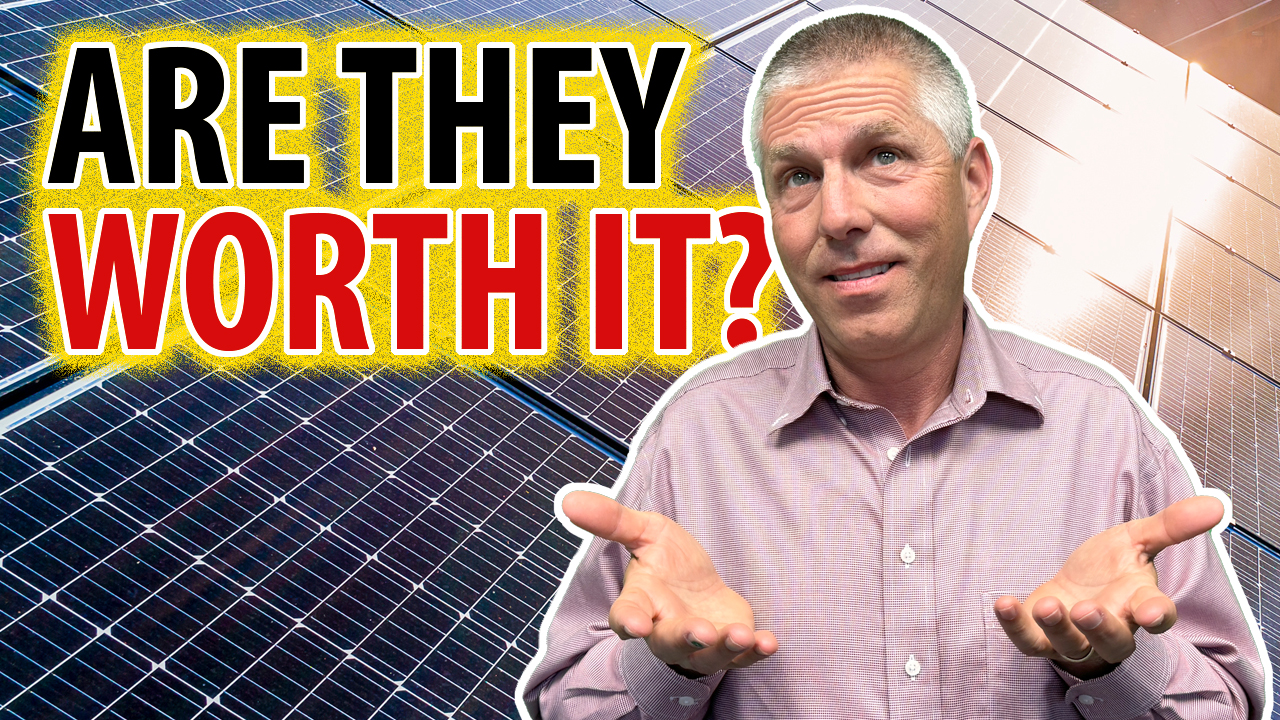
Going solar is one of the most visible upgrades you can make to a home in North Orlando. With utility rates rising across West Volusia and Seminole Counties, the promise of lower monthly electric bills is incredibly attractive. However, adding solar panels to a residential property introduces a distinct paradox in our unique Florida real estate market.
While generating clean energy can build long-term value, it intersects with a complex property insurance market along with affordability complications for potential future buyers. Before you commit to an installation in DeLand, Deltona, or Lake Mary, it is vital to understand the true return on investment (ROI), how your insurance carrier will view the upgrade and what your long-term plan for the home looks like.
The Return on Investment (ROI) Breakdown
For most local homeowners, solar panels are a significant capital improvement. In Florida, a standard 10 kW residential system typically runs between $25,000 and $35,000 before factoring in any available federal tax incentives or local utility credits.
- Payback Period: On average, a properly sized cash-purchased system in Central Florida pays for itself in 8 to 12 years, depending on your household's baseline energy consumption.
- Property Value: Data from national real estate studies indicates that paid off solar panels can increase a home’s equity and resale value by roughly 4%.
- Tax Protections: Under Florida law, the added value a solar system brings to your home is entirely exempt from state property taxes. You get the equity boost without the immediate tax penalty.
The Florida Insurance Challenge
While the utility savings are clear, the impact on homeowners insurance is one of the two places where many buyers and sellers run into unexpected hurdles. For insurance companies operating in Florida's high-risk environment, any modification to a roof is closely scrutinized.
The Roof Dilemma: Insurance providers view the roof as a home's primary line of defense against severe weather. A new solar system requires roof penetrations, which carriers often flag as potential points for future water intrusion or wind-load failure during a tropical storm.
Before moving forward with an installation, keep these structural and underwriting guidelines in mind:
- Roof Age Matters: If your roof is more than 10 years old, it is highly recommended to replace the roof before putting panels on top. Removing and reinstalling panels later for a standard roof replacement may cost thousands in extra labor depending on your solar providers contract.
- Carrier Restrictions: Some Florida insurance companies will refuse to write a new policy—or may decline to renew an existing one—if solar panels are present. Always contact your insurance agent to confirm their specific underwriting rules before signing a solar contract.
- System Sizing (Tiers): In Florida, residential solar installations are categorized by capacity. Tier 1 systems (10 kW or less) are standard for most homes. If you install a Tier 2 system (greater than 10 kW), Florida utility regulations require you to carry a minimum of $1 million in personal liability insurance, which will increase your annual insurance costs.
The Future Home Sale Roadblock
While the utility savings and the state property tax exemption on the added home equity are fantastic perks, the single most common issue I see in local real estate transactions involves how the system was purchased.
Many solar sales representatives pitch "no money down" leased systems or long-term financing packages. However, what they often don’t explain or understand, is how that debt impacts your ability to sell your home later. Solar providers are quick to boast the 4%-7% home value boost for homes with solar panels, but they often leave out the part about having those panels paid free and clear.
The Buyer's Perspective: When a buyer looks at a home with a financed or leased solar system, they are being asked to take on an additional monthly payment—frequently between $150 and $250 a month—on top of their primary mortgage payment, higher interest rates, and rising local insurance premiums.
This creates a much larger roadblock than most sellers realize for several reasons:
- Debt-to-Income (DTI) Ratios: A buyer must legally qualify for that extra monthly solar payment alongside their mortgage. A monthly electric bill payment will not be considered debt in the same way that a solar loan or lease payment will be. For many buyers, a higher electric bill in contrast to a lower solar payment still has the potential to negatively impact their debt ratio, it may even disqualify them from getting their loan approved entirely!
- Negotiation Friction: Most buyers today are looking to buy at the top of their price range and do not want to inherit a 20-year payment plan for equipment they didn't choose. If that solar system is on the home, they expect that to be included in the price of the home.
- The Closing Table Hit: Because of this buyer resistance, sellers are frequently forced to use their hard-earned home equity to completely pay off the remaining balance of the solar loan at closing—which can easily consume $20,000 to $30,000 of their net proceeds- assuming they have that much equity to spare.
The Local Real Estate Takeaway
Solar panels can be an excellent selling feature that sets a residential property apart in competitive markets like Sanford or DeBary, but only if the system is completely paid off.
Financed solar panels or active equipment liens need to be transferred or settled at the closing table, which can complicate equity calculations for both buyers and sellers. If you are buying a home with existing panels, always request the original contract, installation paperwork, wind-mitigation certificates, and written confirmation from your insurance carrier that the property remains fully insurable.

Charles "Chuck" Shaver
| Chuck Shaver | The Shaver Group | Keller Williams Heritage Realty
or another way