
Categories
Homeownership TipsPublished November 5, 2026
Hard Water in Volusia County, FL: What Homeowners Need to Know

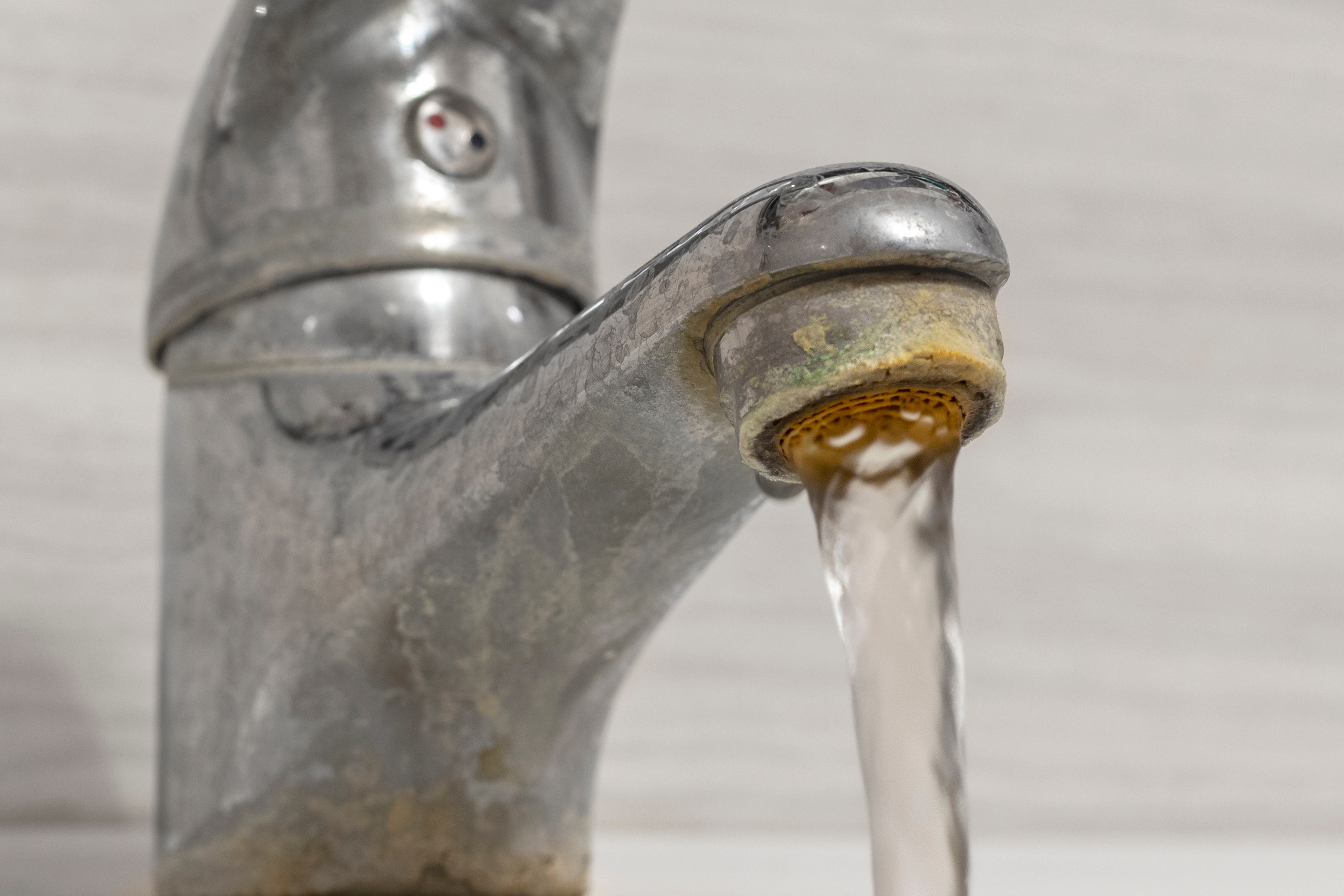
Have you noticed chalky white spots on your glassware, stiff laundry, or crusty mineral buildup around your showerheads and faucets? These are common signs of hard water, a frequent issue for homeowners throughout Volusia County, Florida.
Much of the region's drinking water comes from the Floridan Aquifer, a groundwater source beneath Florida's limestone-rich geology. As groundwater moves through rock formations, it can pick up naturally occurring minerals, particularly calcium and magnesium. These minerals create hard water, which can affect everything from cleaning and laundry to your home's plumbing and appliances.
If you live in DeLand, Deltona, DeBary, Orange City, or another West Volusia community, understanding your water quality can help you protect your home and avoid unnecessary maintenance costs.
How Hard Is the Water in Volusia County, Florida?
Water hardness measures the concentration of dissolved calcium and magnesium. It is commonly measured in Grains Per Gallon (GPG) or Parts Per Million (PPM).
Water hardness is generally classified as follows:
-
Soft water: 0–1 GPG
-
Slightly hard water: 1–3.5 GPG
-
Moderately hard water: 3.5–7 GPG
-
Hard water: 7–10.5 GPG
-
Very hard water: Above 10.5 GPG
Hardness levels vary throughout Volusia County depending on the water provider and whether a home receives municipal water or uses a private well.
For example, the City of Deltona reports water hardness levels between 12 and 17 GPG, which falls into the very hard category.
Private well water can also contain significant mineral concentrations, but actual levels vary from property to property. If your home has a private well, a water test is the best way to determine its hardness and identify any additional treatment needs.
How Does Hard Water Affect Your Home?
Hard water is generally safe to drink and is not considered a health hazard. However, the calcium and magnesium minerals can create ongoing maintenance issues and contribute to wear on household plumbing and appliances.
Here are some common problems homeowners may experience.
1. Appliance Wear and Reduced Efficiency
Mineral deposits, commonly called scale, can accumulate inside water heaters, dishwashers, and washing machines.
In water heaters, scale can collect around heating elements and at the bottom of the tank. This buildup can reduce heating efficiency and increase energy consumption. Mineral deposits can also affect the performance and maintenance requirements of other water-using appliances.
2. Plumbing and Fixture Buildup
Over time, calcium deposits can accumulate on faucets, showerheads, and other plumbing fixtures. Mineral buildup can clog faucet aerators and restrict water flow through showerheads.
In severe cases, scale accumulation inside plumbing can contribute to reduced water flow and increased maintenance needs.
3. Soap Scum and Laundry Problems
Hard water makes it more difficult for soaps and detergents to lather effectively.
You may notice:
-
White spots and cloudy film on drinking glasses and dishes.
-
Soap scum on shower doors, tubs, and bathroom fixtures.
-
Stiff or dull-looking laundry.
-
Soap residue on skin and hair.
These issues can make routine household cleaning more time-consuming and increase the amount of detergent and cleaning products you use.
What Are the Best Water Treatment Options for Florida Homes?
If hard water is affecting your home, several treatment options are available. The right solution depends on your water quality, household needs, budget, and maintenance preferences.
1. Traditional Salt-Based Water Softeners
A traditional water softener uses an ion-exchange process to remove calcium and magnesium from the water, replacing those minerals with sodium or potassium ions.
Benefits include:
-
Reduces mineral scale throughout the home's plumbing.
-
Helps protect water heaters and other appliances.
-
Improves soap and detergent performance.
-
Reduces mineral spots on dishes, glassware, and fixtures.
These systems require periodic salt replenishment and maintenance. They also use water during their regeneration cycles.
2. Salt-Free Water Conditioners
Salt-free water conditioners use different technologies to reduce the tendency of minerals to form scale on plumbing and household surfaces.
Unlike traditional softeners, these systems generally do not remove calcium and magnesium from the water. Instead, they condition the minerals to make them less likely to adhere to surfaces.
Potential advantages include less routine maintenance and no salt replenishment. However, they do not provide the same results as a traditional water softener, particularly when it comes to the feel of the water and soap performance.
3. Under-Sink Reverse Osmosis Systems
If your primary concern is the taste and quality of your drinking water, an under-sink reverse osmosis (RO) system may be worth considering.
These systems use a semipermeable membrane to reduce dissolved minerals and other substances in drinking water.
Benefits can include:
-
Improved drinking water taste.
-
Reduced dissolved mineral content.
-
Convenient filtered water for cooking and drinking.
Reverse osmosis systems typically serve a specific drinking-water faucet rather than treating the entire home's water supply.
Simple Ways to Manage Hard Water at Home
Even if you aren't ready to install a whole-house treatment system, a few maintenance practices can help minimize hard water problems.
Clean showerheads and faucet aerators: Soaking removable fixtures in white vinegar can help dissolve calcium deposits and restore water flow. Follow the manufacturer's recommendations, particularly for specialty finishes.
Flush your water heater: Mineral sediment can accumulate inside traditional tank-style water heaters. Follow the manufacturer's maintenance recommendations for flushing your system.
Use dishwasher cleaning products: Dishwasher cleaners or citric-acid-based products formulated for hard water can help remove mineral film from glassware and dishes.
Test your water: A simple water hardness test can help determine whether you need a treatment system and which solution is appropriate for your home.
Protecting Your Home From Hard Water in Volusia County
Hard water is a common part of homeownership in Central Florida, but it doesn't have to become a major maintenance headache. Understanding your home's water quality and choosing the right treatment can help reduce mineral buildup, improve everyday cleaning, and protect water-using appliances.
Are you considering a water softener or filtration system for your home? The Shaver Group can connect you with a professional from our verified vendor list who can help you understand your options and installation costs.
Contact The Shaver Group if you need a trusted local recommendation or have questions about maintaining and protecting your West Volusia home.Home Maintenance

Charles "Chuck" Shaver
| Chuck Shaver | The Shaver Group | Keller Williams Heritage Realty
or another way